
25 Examples of AI You Already Use Every Day (2026)
By the Chatgbot Team · Published July 22, 2026
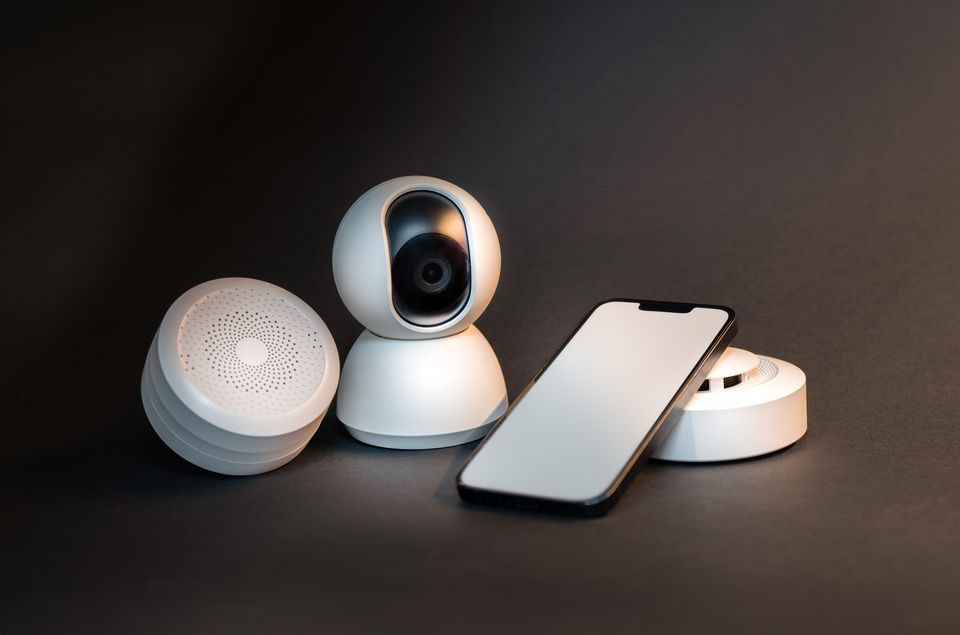
You probably used artificial intelligence before breakfast. Your phone recognized your face to unlock. Your feed decided which posts to show you first. Your maps app guessed how bad traffic would be. None of that felt like science fiction, and that is the point.
AI is not one big robot. It is a set of quiet helpers built into apps and devices you already own. Below are 25 clear examples of AI in everyday life, grouped by where you meet them. Each one is real and in use today, not a hypothetical.
If you want the bigger picture first, read what is AI. Otherwise, keep scrolling.
On your phone
Your phone is packed with AI examples, most of which you never think about.
- Face unlock. Your phone learns the shape of your face and matches it in a fraction of a second, even in different light.
- Autocorrect and predictive text. Your keyboard guesses the next word and fixes typos based on how people actually type.
- Photo search. Type "beach" or "dog" in your gallery and it finds those pictures, because AI already tagged what is in them.
- Voice assistants. Siri and Google Assistant turn your speech into text, figure out what you mean, and answer back.
At home
Your home is full of small AI decisions running in the background.
- Smart speakers. Devices like Alexa listen for a wake word, understand your request, and play music or answer questions.
- Smart thermostats. They learn your daily routine and adjust the temperature before you even notice you are cold.
- Robot vacuums. They map your rooms, avoid the couch, and plan an efficient path across the floor.
- Streaming recommendations. Netflix and Spotify study what you watch and skip, then line up what you are likely to enjoy next.
On the road
Getting from place to place leans on AI more than most people realize.
- Navigation ETAs. Maps apps predict arrival times by reading live traffic, past patterns, and road speeds together.
- Ride pricing. Uber and Lyft set fares by weighing demand, driver supply, and time of day in real time.
- Driver assist. Lane keeping, adaptive cruise control, and automatic braking use cameras and sensors to read the road around you.
Money and shopping
Behind the scenes, AI is watching your transactions and guiding what you see in stores.
- Fraud alerts. Your bank flags a strange charge because AI noticed it does not fit your normal spending.
- Product recommendations. Amazon's "you might also like" comes from patterns across millions of shoppers with similar carts.
- Price tracking. Tools that watch prices and predict drops rely on AI reading historical trends.
At work and school
Everyday work and study tools quietly run on AI too.
- Spam filters. Your inbox sorts junk from real mail by learning what spam tends to look like.
- Meeting transcription. Tools that turn calls into text notes use speech recognition, the same tech behind an AI note taker.
- Writing help. Grammar suggestions and rewrites come from AI trained on huge amounts of text. See the best AI for writing if you want more.

Health and wellness
AI shows up in the tools that track your body, with a few important caveats.
- Watch heart alerts. Smartwatches can spot an irregular heartbeat and nudge you to check it out.
- Symptom checkers. Apps that suggest possible causes for symptoms can be a useful first step. They are not a diagnosis, and you should still see a real doctor for anything serious.
Entertainment
Fun stuff uses AI as much as the serious stuff does.
- Game characters. The non-player characters that chase, hide, or team up with you follow AI-driven behavior.
- Auto playlists. Your "made for you" mixes are stitched together from your listening habits and songs that pair well together.
The obvious one: chatbots and generators
Then there is the AI everyone actually talks about. Chatbots like ChatGPT and Claude answer questions, draft emails, and explain hard topics in plain language. If you are new to them, start with what is a chatbot.
- Conversational chatbots. You type a question, they reply like a knowledgeable assistant.
- Image generators. You describe a picture in words and the AI creates it from scratch.
That is 25 everyday examples, and there are plenty more.
What all these examples share
Every example above works the same basic way. The AI looks at a lot of past data, finds patterns, and uses those patterns to make a good guess about something new. Your thermostat learns your routine, your bank learns your spending, your feed learns your taste.
That pattern-learning has a name: machine learning. It is the engine under almost every example on this list. If you want to understand the mechanism, AI models explained is a good next read.
Frequently asked questions
What is the most common example of AI in everyday life?
Recommendation systems are probably the most common. Every time Netflix, Spotify, YouTube, or an online store suggests something for you, AI is picking those items based on your past behavior.
Is Siri or Alexa really artificial intelligence?
Yes. Voice assistants use several kinds of AI at once: speech recognition to hear you, language understanding to figure out your intent, and text-to-speech to answer. They are a clear, hands-on example of AI.
Do I need to pay to use AI?
Many everyday AI features are already built into devices and apps you own at no extra cost. For chatbots, there are free options, and paid plans unlock stronger models and higher limits.
What is the difference between AI and machine learning?
AI is the broad goal of machines doing smart tasks. Machine learning is the main method used to get there, where a system learns patterns from data instead of following fixed rules written by a person.
Try AI for yourself
The easiest way to understand AI is to talk to it directly. Chatbots are the most approachable example, and you do not have to pick just one. Chatgbot puts GPT-5.6, Claude, Gemini, Grok, and more in a single app, so you can ask a question, switch models mid-chat, and compare answers side by side. It is a simple way to see everyday AI in action, in your own words.