
Cómo evitar el plagio: 8 formas prácticas (2026)
Por el equipo de ChatGBot · Publicado el 18 de agosto de 2026
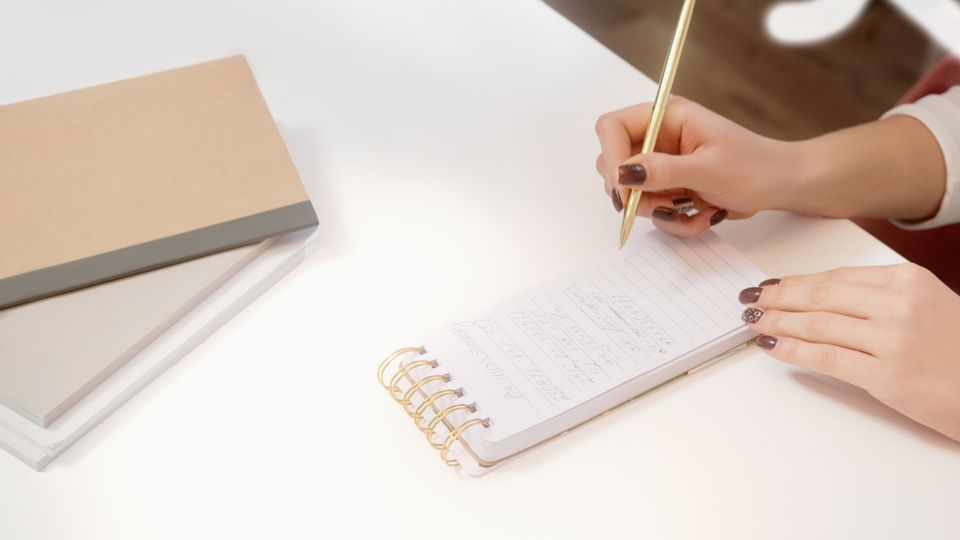
Para evitar el plagio, cita cada fuente que uses, pon las ideas tomadas de otros completamente con tus propias palabras y pon la redacción exacta entre comillas. Haz esto mientras investigas, no al final, y pasa una comprobación de plagio antes de entregar.
Every top AI in one app
GPT, Claude, DeepSeek, Qwen and GLM — one subscription.
Try ChatGBot →El plagio normalmente no tiene que ver con intentar hacer trampa. La mayor parte viene de una toma de notas descuidada, de olvidar de dónde salió un dato o de una paráfrasis que se queda demasiado cerca del original. La buena noticia es que unos pocos hábitos sencillos evitan casi todo.
Esta guía cubre ocho prácticas concretas que puedes empezar a usar hoy. Si prefieres una definición clara primero, consulta nuestra explicación sobre qué es el plagio, y luego vuelve para el cómo.
Qué cuenta como plagio
El plagio es presentar las palabras, las ideas o el trabajo de otra persona como propios. Abarca más que copiar y pegar. La paráfrasis cercana sin crédito, citar sin comillas, usar un dato sin una cita e incluso reutilizar tu propio trabajo anterior sin permiso cuentan todos.
Tampoco depende de la intención. Olvidar citar una fuente sigue siendo plagio, aunque no pretendieras copiar. Es justo por eso que los hábitos de abajo se centran en detectar problemas mientras trabajas, antes de que lleguen al borrador final.
8 formas prácticas de evitar el plagio
Recorre estos hábitos más o menos en el orden que seguirías al escribir un trabajo, desde la investigación hasta la comprobación final.
1. Cita cada fuente que uses
Cada vez que una idea, un dato, una estadística o un argumento vengan de otro sitio, dale crédito. Este es el hábito más importante de todos, y te protege incluso cuando tienes dudas. Ante la duda, cita. Sigue el estilo que exija tu clase, normalmente APA, MLA o Chicago, y mantenlo consistente de principio a fin.
Esto también se aplica a las herramientas de IA. Si usaste un chatbot para reunir información o redactar una sección, muchos centros ahora esperan que lo digas. Nuestra guía sobre cómo citar ChatGPT explica el formato exacto para cada estilo.
2. Parafrasea correctamente
Parafrasear no es cambiar unas pocas palabras por sinónimos. Eso sigue siendo plagio, incluso con una cita. Para parafrasear correctamente, lee el pasaje, aparta la vista y escribe la idea de memoria con tu propia estructura de frase. Luego compárala con el original para asegurarte de que la redacción y el ritmo son genuinamente diferentes.
Aquí importan dos reglas. Primera, una paráfrasis correcta sigue necesitando una cita, porque la idea no es tuya. Segunda, las palabras deberían sonar a ti. Nuestra guía sobre cómo humanizar el texto de IA tiene técnicas para reescribir un pasaje con tu propia voz en lugar de hacer eco de la fuente.
3. Usa comillas para la redacción exacta
Cuando quieras conservar las palabras exactas de un autor, ponlas entre comillas y añade una cita con la página o la ubicación. Las comillas son la señal que dice que estas no son mis palabras. Omitirlas, incluso por accidente, convierte una cita en plagio. Usa las citas directas con moderación, solo cuando la redacción original importe de verdad, y deja que la paráfrasis y tu propio análisis lleven la mayor parte del texto.
4. Lleva una lista de fuentes continua mientras investigas
Empieza un documento en el momento en que comienzas a investigar y registra cada fuente que abras: título, autor, enlace y la fecha en que la encontraste. Añade cada una antes de tomar una sola nota de ella. Este pequeño hábito evita la causa más común del plagio accidental, que es usar un dato y luego no tener ni idea de dónde salió. Un gestor de referencias funciona bien, pero un documento sencillo basta.
5. Toma notas con tus propias palabras, no copiando y pegando
Cuando investigues, resiste la tentación de pegar trozos de texto en tus notas. Semanas después, es fácil olvidar qué líneas se copiaron y cuáles eran tuyas. En su lugar, resume cada punto con tus propias palabras sobre la marcha, y si tienes que copiar una frase exacta, ponla entre comillas ahí mismo y marca la fuente. Unas buenas notas hacen que la escritura honesta sea casi automática.
6. Entiende el conocimiento común frente a lo que necesita cita
No todo necesita una cita. Los datos ampliamente conocidos, como que el agua hierve a 100 grados Celsius o la capital de un país, cuentan como conocimiento común y pueden afirmarse sin más. Lo que necesita una cita es cualquier cosa específica, discutible u original: estadísticas, hallazgos de investigación, la interpretación de alguien o una cita directa. Una prueba sencilla: si un lector podría preguntar "¿según quién?" o "¿de dónde sacaste eso?", cítalo.
7. Pasa una comprobación de plagio antes de entregar
Incluso los escritores cuidadosos se dejan una línea suelta sin citar o una paráfrasis que se quedó demasiado cerca. Un comprobador de plagio detecta esto antes que un profesor, para que puedas corregirlo. Úsalo como una red de seguridad y una herramienta de aprendizaje, no como una forma de manipular una puntuación. Consulta nuestra selección de los mejores comprobadores de plagio para elegir uno que se ajuste a tus necesidades.
8. Usa la IA de forma ética
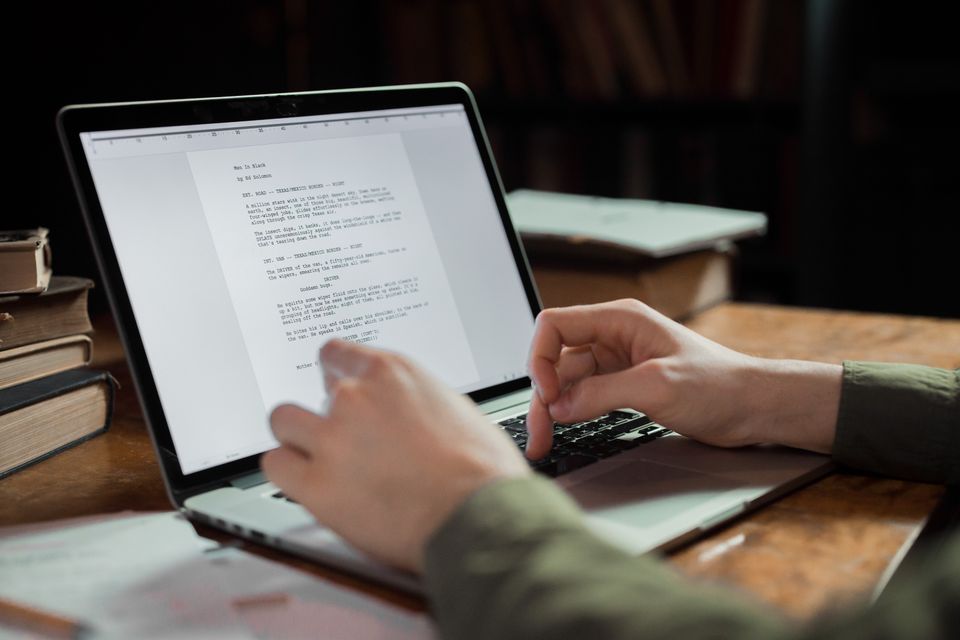
Las herramientas de IA son útiles para aprender siempre que las uses para entender, no para copiar. Pide a un chatbot que explique un concepto difícil, que genere enfoques, que esboce tu argumento o que revise tu gramática. No pegues su resultado como si fuera tu propio trabajo. Las palabras y las ideas que entregues deberían ser tuyas. Donde tu centro lo exija, declara que usaste IA, igual que citarías cualquier otra fuente.
Usada así, la IA apoya el trabajo honesto en lugar de reemplazarlo. Nuestras guías de la mejor IA para estudiantes y la mejor IA para investigar muestran cómo usar estas herramientas para estudiar y reunir fuentes sin cruzar la línea.
Errores comunes que evitar
La mayoría de los casos de plagio se remontan a un pequeño número de tropiezos evitables. Vigila estos:
- Cambiar sinónimos. Cambiar unas pocas palabras mientras se mantiene la estructura de la frase original sigue siendo plagio, incluso con una cita.
- Olvidar la fuente. Usar un dato que encontraste hace semanas pero que ya no puedes rastrear. Una lista de fuentes continua lo soluciona.
- Quitar las comillas. Conservar la redacción exacta sin comillas convierte una cita en plagio.
- Autoplagio. Reutilizar tu propio trabajo anterior para una nueva tarea sin permiso también cuenta. Pregunta primero.
- Pegar el resultado de la IA como propio. Entregar texto de IA sin editar y sin declarar es la versión moderna de copiar, y la detección es lo de menos.
Preguntas frecuentes
¿Cuál es la forma más fácil de evitar el plagio?
Cita cada fuente mientras escribes y pon cualquier idea tomada de otros completamente con tus propias palabras. Llevar una lista continua de tus fuentes mientras investigas, para no perder nunca de vista de dónde salió un dato, evita por sí sola la mayor parte del plagio accidental.
¿La paráfrasis sigue necesitando una cita?
Sí. Una paráfrasis pone la idea de otra persona con tus propias palabras, pero la idea sigue siendo suya, así que necesita una cita. Solo tus propios pensamientos originales y el verdadero conocimiento común pueden ir sin una.
¿Usar la IA para escribir mi ensayo es plagio?
Entregar texto escrito por IA como tu propio trabajo es una forma de deshonestidad académica, y muchos centros lo tratan como plagio. Usar la IA para entender un tema, generar ideas o revisar la gramática está bien, siempre que las palabras y las ideas finales sean tuyas y declares el uso de la IA donde se exija.
¿Qué cuenta como conocimiento común?
El conocimiento común es información que un público general ya conoce o puede encontrar en muchas fuentes, como fechas básicas, datos famosos o la capital de un país. Las estadísticas específicas, los hallazgos de investigación, las interpretaciones y las citas directas no son conocimiento común y deben citarse.
Estudia de forma más inteligente, con honestidad, con ChatGBot
Evitar el plagio se reduce a buenos hábitos: cita tus fuentes, escribe las ideas con tus propias palabras, entrecomilla la redacción exacta y comprueba tu trabajo antes de entregarlo. Hazlo de forma consistente y rara vez tendrás que preocuparte. La IA puede ayudarte a llegar ahí con honestidad, explicando material difícil, ayudándote a generar ideas y parafraseando con tu propia voz, no escribiendo tu trabajo por ti. Con ChatGBot puedes usar GPT, Claude, DeepSeek, Qwen y GLM en un mismo lugar para entender tus fuentes y estudiar mejor, de modo que el trabajo que entregues sea genuinamente tuyo.