
Comprobadores de plagio con IA en 2026: qué detectan (y qué se les escapa)
Por el equipo de ChatGBot · Publicado el 18 de agosto de 2026
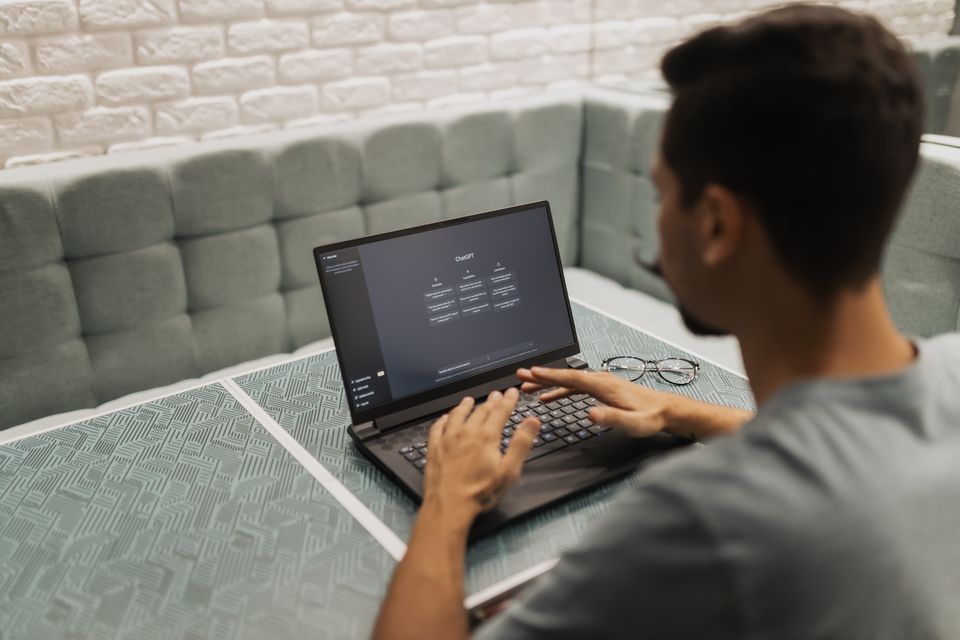
Un comprobador de plagio con IA es una herramienta que hace dos trabajos a la vez: marca el texto copiado de fuentes existentes e intenta adivinar si un texto fue generado por IA. El primer trabajo es bastante fiable, el segundo no, así que una puntuación combinada debería tratarse como una pista para mirar más de cerca, nunca como una prueba.
Every top AI in one app
GPT, Claude, DeepSeek, Qwen and GLM — one subscription.
Try ChatGBot →La expresión "comprobador de plagio con IA" se usa de forma imprecisa. A veces significa una herramienta clásica de detección de copias que añadió una función de IA, y a veces significa un detector de escritura con IA que añadió el cotejo de fuentes. Entender la diferencia importa, porque las dos comprobaciones funcionan de maneras completamente distintas y son fiables en grados muy diferentes.
Esta guía explica qué mide en realidad un comprobador de plagio impulsado por IA, qué herramientas combinan ambas comprobaciones y las salvedades honestas que todo estudiante y profesor debería conocer antes de actuar según un número.
Qué suele significar "comprobador de plagio con IA"
La mayoría de las herramientas comercializadas como comprobador de plagio con IA agrupan dos análisis distintos en un solo informe:
- Plagio (cotejo de fuentes). La herramienta compara tu texto con un enorme índice de páginas web, revistas y trabajos anteriores de estudiantes, y luego resalta los pasajes que coinciden con algo ya publicado.
- Detección de IA. La herramienta estima la probabilidad estadística de que un pasaje fuera escrito por un modelo de lenguaje como ChatGPT en lugar de una persona.
Un comprobador de plagio con detección de IA pone ambos resultados uno al lado del otro, a menudo como dos porcentajes. Es fácil leer eso como un único veredicto, pero responden a preguntas diferentes: "¿esto vino de otra fuente?" frente a "¿esto se lee como si lo hubiera escrito una máquina?". Solo la primera es realmente una pregunta de plagio.
En qué se diferencian de verdad las dos comprobaciones
La diferencia de fiabilidad entre los dos análisis se reduce a cómo funciona cada uno.
El cotejo de fuentes es comparación. Cuando un comprobador encuentra texto copiado, puede señalar la página o el trabajo exacto con el que coincidió. Esa es una evidencia que puedes abrir y verificar con tus propios ojos. Se producen falsas alarmas (frases comunes, material citado correctamente, tu propio trabajo anterior), pero la afirmación es comprobable.
La detección de IA es una suposición. No hay una fuente original que señalar. En su lugar, el detector mide patrones como qué tan predecible y regularmente ritmada es la escritura, y luego devuelve una probabilidad. No puede mostrarte de dónde "vino" el texto porque, en un sentido literal, no vino de ningún sitio. Por eso los dos números merecen niveles de confianza muy diferentes. Cubrimos la parte de detección en profundidad en nuestra guía del detector de contenido de IA.
Qué herramientas combinan ambas comprobaciones
Varios servicios conocidos ahora ofrecen plagio y detección de IA juntos. Trata esto como un mapa cualitativo, no como una clasificación, ya que las funciones y la exactitud cambian constantemente.
- Turnitin. Durante mucho tiempo el estándar para el cotejo de fuentes en las universidades, añadió un indicador de escritura con IA que muchas instituciones usan, aunque algunas han limitado discretamente cuánto peso le dan.
- Copyleaks. Se posiciona en torno tanto a la detección de copias como a la detección de IA, dirigido a centros y empresas.
- Detectores de estilo GPTZero. Empezaron como detectores de texto de IA y se ampliaron hacia funciones de tipo plagio, centrados sobre todo en la pregunta de "¿esto fue IA?".
- Herramientas de estilo Originality. Creadas para editores web y responsables de marketing, que combinan un análisis de plagio con una puntuación de IA en un solo panel.
Si lo que necesitas es pura detección de copias, nuestra selección de los mejores comprobadores de plagio compara esas herramientas sin la capa de detección de IA.
La salvedad honesta: la detección de IA no es fiable
Esta es la parte que el marketing tiende a saltarse. La exactitud de la detección de IA es genuinamente inestable, y falla en ambas direcciones.
- Falsos positivos. Los detectores marcan con regularidad textos humanos reales como IA, sobre todo la prosa llana y bien estructurada y los textos de personas que no tienen el inglés como lengua materna. El trabajo honesto resulta acusado.
- Falsos negativos. El texto de IA editado o parafraseado ligeramente a menudo pasa como "humano". Unos pocos cambios manuales pueden darle la vuelta a la puntuación.
Así que la misma herramienta puede castigar a un estudiante cuidadoso que escribió cada palabra y aprobar un trabajo que fue generado en su mayor parte. Ese no es un pequeño margen de error que puedas redondear, es un motivo para no tratar nunca una puntuación de IA como evidencia por sí sola. La mitad de plagio (cotejo de fuentes) del informe es mucho más fiable que la mitad de detección de IA.
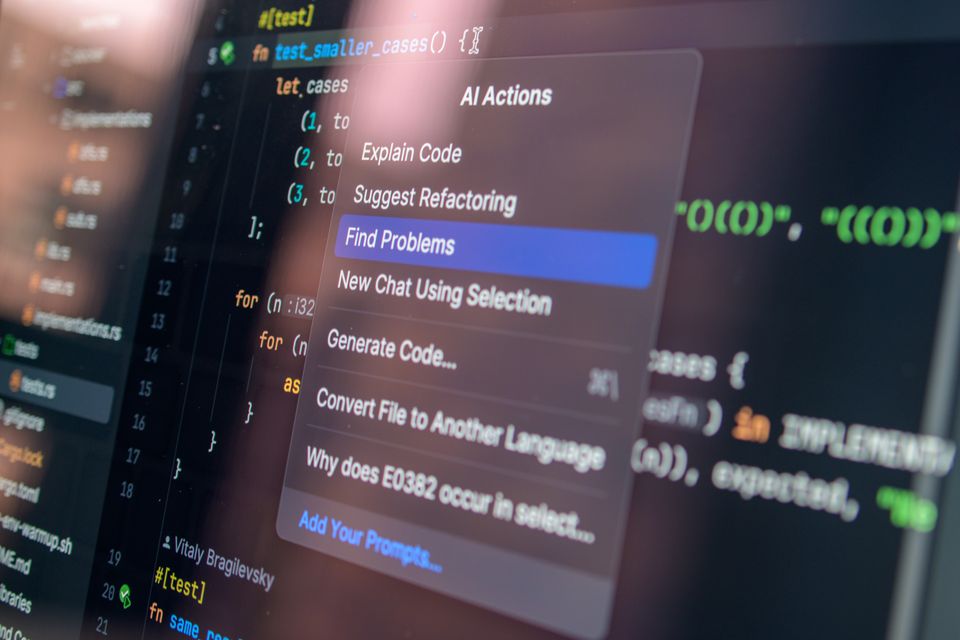
Qué significa esto para estudiantes y profesores
La conclusión práctica es la misma a ambos lados del pupitre: un número es un punto de partida para una conversación, no una condena.
Para los profesores. Usa una puntuación de IA para decidir dónde mirar más de cerca, y luego apóyate en señales reales: borradores, historial de versiones, la voz conocida de un estudiante y una charla rápida sobre el trabajo. No abras un caso de mala conducta basándote en un porcentaje solo. Nuestra guía para profesores profundiza en formas justas de manejar esto.
Para los estudiantes. Una marca falsa es estresante pero superable. Guarda tus borradores, notas e historial de revisiones para poder mostrar tu proceso. Si una herramienta etiqueta erróneamente tu texto, ese rastro es tu mejor defensa.
Usar la IA para aprender frente a entregarla como propia
Bajo las herramientas hay una pregunta más simple sobre la honestidad. Hay una diferencia real entre usar la IA para entender tu tema y pegar el resultado de la IA como si lo hubieras escrito tú.
Usar un asistente para explicar un concepto difícil, hacerte preguntas, generar enfoques o ayudarte a parafrasear una fuente con tus propias palabras es una ayuda de estudio, muy parecida a un tutor. Entregar texto generado como tu propio trabajo, sin hacer el pensamiento ni declarar la ayuda, es donde cruza a la deshonestidad. Desarrollamos esa línea en ¿usar ChatGPT es plagio?.
El uso responsable de la IA se reduce a unos pocos hábitos: haz tú mismo el pensamiento real, pon las ideas en tus propias palabras, cita bien tus fuentes y declara la ayuda de IA cuando tu centro te lo pida. Si de verdad te apoyas en la IA para un borrador, edítalo mucho para que las ideas y la voz sean genuinamente tuyas (nuestras notas sobre el mejor humanizador de IA tratan de escribir con más claridad, no de colarse ante los detectores). Y cuando cites o te apoyes en una conversación con IA, aprende cómo citar ChatGPT como harías con cualquier otra fuente.
Preguntas frecuentes
¿Qué es un comprobador de plagio con IA?
Es una herramienta que ejecuta dos análisis sobre tu texto: una comprobación de plagio que coteja tu escritura con fuentes existentes y una comprobación de detección de IA que estima si el texto fue generado por una máquina. Los dos resultados miden cosas diferentes y deberían leerse por separado.
¿Son exactos los comprobadores de plagio con IA?
La parte de plagio (cotejo de fuentes) es bastante fiable porque señala una fuente real que puedes verificar. La parte de detección de IA no es fiable, produce falsos positivos en textos humanos genuinos y falsos negativos en texto de IA editado, así que su puntuación nunca debería tratarse como una prueba.
¿Puede un comprobador de plagio con IA demostrar que usé IA?
No. La detección de IA devuelve una probabilidad, no una evidencia, y se equivoca con la frecuencia suficiente como para que ningún proceso justo deba apoyarse solo en ella. Los borradores, el historial de versiones y una conversación sobre el trabajo son señales mucho más fuertes que un porcentaje.
¿Usar la IA para ayudar con un ensayo es plagio?
Usar la IA para entender la materia, generar ideas o parafrasear con tus propias palabras es una ayuda de estudio. Entregar texto generado por IA como tu propio trabajo sin hacer el pensamiento ni declarar la ayuda es lo que cruza la línea, así que mantén las ideas y las palabras tuyas y cita como lo exija tu centro.
Estudia con honestidad con la configuración de IA adecuada
Un comprobador de plagio con IA es útil para detectar pasajes copiados, pero su puntuación de detección de IA es una pista, no un veredicto, y la verdadera salvaguarda es hacer un trabajo genuino que puedas defender. La mejor forma de usar la IA es aprender de verdad de ella: entender fuentes, poner a prueba tu conocimiento y poner las ideas en tus propias palabras. Con ChatGBot puedes hacer eso con GPT, Claude, DeepSeek, Qwen y GLM en un mismo lugar, comparando explicaciones y ayuda para parafrasear para que el trabajo final sea honestamente tuyo.