
Generative AI Chatbot: What It Is and How It Works
By the Chatgbot Team · Published August 24, 2026
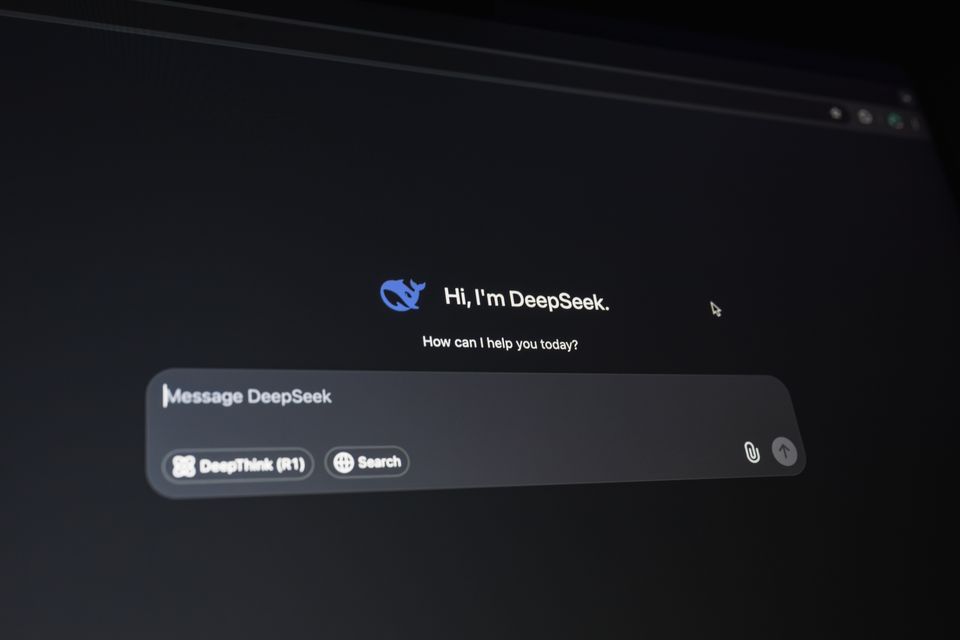
A generative AI chatbot is a program that uses a large language model to write original responses in plain language, instead of choosing from a fixed list of scripted replies. It reads what you type, predicts the most useful words to send back, and can hold a real conversation across many topics.
This is the big shift behind the recent wave of AI assistants. Older bots followed rules and buttons, while generative ai chatbots generate fresh text every time, so they feel closer to talking with a knowledgeable person.
Below you will find a clear explanation of what a generative AI chatbot is, how it works at a high level, where it helps, and the limits you should keep in mind before trusting an answer.
What Is a Generative AI Chatbot?
To understand what is a generative ai chatbot, it helps to compare it with the older style of bot. A traditional chatbot works from decision trees and keyword matching. If your message does not fit one of its rules, it gets stuck or repeats a menu.
A generative AI chatbot is different. It is built on a large language model that has learned patterns from huge amounts of text. Instead of looking up a canned reply, it builds a new answer word by word based on your question and the flow of the chat. That is why it can handle open questions, follow-ups, and unusual wording.
The word generative is the key. These systems are a form of generative AI, meaning they create content rather than just sort or label it. For a deeper look at the engine inside, see how a large language model is trained and used.
How a Generative AI Chatbot Works
You do not need a math background to grasp the main idea. A gen ai chatbot turns your words into numbers, runs them through a trained model, and turns the result back into readable text. Here is the flow in simple steps.
- You send a message. The chatbot receives your question or request as input.
- The text is broken into tokens. Tokens are small pieces of words that the model can process.
- The model predicts the next words. Based on patterns it learned during training, it estimates the most likely and useful continuation.
- It builds the answer step by step. Each new word feeds back in, so the reply stays on topic and reads naturally.
- You get a written response. The finished text appears in the chat, and you can reply to keep the conversation going.
Because the model keeps track of earlier messages, a generative ai chat can remember context inside the same session. Ask a follow-up like "make it shorter" and it knows what "it" means without you repeating everything.
Rule-Based Bots vs Generative AI Chatbots
The table below shows the practical differences in plain terms.
| Feature | Rule-based chatbot | Generative AI chatbot |
|---|---|---|
| Answers | Picked from scripts | Written fresh each time |
| Flexibility | Breaks on unexpected input | Handles open questions |
| Tone | Fixed and repetitive | Natural and adjustable |
| Tasks | Narrow, one purpose | Broad, many topics |
| Setup | Manual rules for every case | Learns patterns from data |
What Can a Generative AI Chatbot Do?
Because it writes rather than looks up, a single generative AI chatbot can cover a wide range of everyday tasks. Common uses include the following.
- Writing and editing: draft emails, posts, and reports, then refine the tone or length.
- Explaining ideas: break down a hard topic into simple steps or examples.
- Summarizing: turn a long article or document into a few clear points.
- Answering questions: respond to open-ended questions across many subjects.
- Coding help: write, explain, or fix small pieces of code.
- Brainstorming: suggest names, plans, or ideas when you feel stuck.
- Translating and rephrasing: move text between languages or reword it for a new audience.
Businesses also use these bots for support, where a generative model can answer varied customer questions in a friendly tone instead of forcing people through rigid menus.
Limits You Should Know
A generative AI chatbot is powerful, but it is not a source of guaranteed truth. Keeping a few limits in mind will save you trouble.
Hallucination. The model predicts likely text, so it can state wrong facts with full confidence. This is called hallucination. Always verify important details, numbers, names, and dates against a trusted source.
Knowledge gaps. A model is trained up to a certain point in time. Unless it can search the web, it may not know very recent events.
No real understanding. It works from patterns, not lived experience, so it can miss context or give shallow answers on niche topics.
Privacy. Avoid pasting passwords or sensitive personal data. Treat a chat like a semi-public note, not a vault.
The simple rule is to use a generative AI chatbot as a fast first draft or a helpful assistant, then apply your own judgment before you act on anything that matters.
Chatgbot: A Multi-Model Generative AI Chatbot
Most people meet generative AI through one tool tied to one model. Chatgbot takes a different route by putting several leading models in one app for a single subscription. You get OpenAI GPT, Claude, DeepSeek, Qwen, and GLM, and you can switch between them inside the same conversation.
This matters because models have different strengths. One may write with a warmer tone, another may reason through a tricky problem, and a third may be faster for quick tasks. With Chatgbot you do not have to guess and commit, since you can try the same prompt on more than one model and keep the best answer.
Alongside chat, Chatgbot adds image generation, PDF analysis, web search, and voice, so a lot of daily work lives in one place. If you want to compare the wider market first, this guide to the best AI chatbots is a good starting point before you decide.
Frequently Asked Questions
What is a generative AI chatbot in simple terms?
It is a chat program that uses a large language model to write original answers in plain language. Instead of choosing from scripted replies, it predicts helpful text based on your message, so it can handle open questions and follow-ups.
How is a generative AI chatbot different from a normal chatbot?
A normal chatbot follows fixed rules and menus, and it breaks when your input does not match a script. A generative AI chatbot creates fresh responses each time, so it adapts to new wording and covers many topics without manual rules.
Are generative AI chatbots always accurate?
No. They can sound confident yet state wrong facts, a problem known as hallucination. Use the answers as a helpful draft, and verify important details such as numbers, names, and dates against a trusted source.
Which models does Chatgbot use?
Chatgbot gives you OpenAI GPT, Claude, DeepSeek, Qwen, and GLM in one app for one subscription. You can switch models mid-conversation and compare answers, plus use image generation, PDF analysis, web search, and voice.
Try a Multi-Model Generative AI Chatbot
A generative AI chatbot is one of the most useful tools you can add to your day, as long as you check the facts that matter. To use several top models in one place for a single price, try Chatgbot and switch between GPT, Claude, DeepSeek, Qwen, and GLM whenever you like.